Here’s a step-by-step guide to introducing and teaching the recorder to your students using basic techniques that work for all students.
Knowing how to teach the recorder involves ordering lots of small but important steps such as note reading, instrument care, routines & procedures, and the ever important sound production, then putting it all together and playing songs.
Originally published January 11, 2025
Latest update October 2, 2026
Written by Laura Bartolomeo

💡 You’ll find lots of tips and tricks whether you’re a new teacher introducing the recorder for the first time or looking to refine or shake up your recorder teaching approach.
How Do You Begin Teaching the Recorder and Recorder Units?
There are 4 main phases to beginning a recorder unit:
🔹 introduction or review of the treble clef and basic rhythms
🔸 introduction to the instrument
🔹 introduction to playing techniques
🔸 playing songs
Recorder Brands! Let’s Share!
Preliminary results below. Please keep sharing for best results!
Poll Results: Recorder Brands in the Classroom
- Yamaha Leads the Pack: Over half of participating educators rely on Yamaha recorders in their classrooms.
-
Brand Pairing is Key: Over 26% of teachers select multiple brands, almost always adding secondary choices (like Angel, Nuvo, or Aulos) with a core brand like Yamaha or Peripole.
Updated Fall 2026
Table of Contents
A condensed lesson plan outline is at the bottom of this post. The top is to use with your students as you teach.
Introduction to Music Reading
Learning about the treble clef and the note names is a long game. Students don’t learn it instantly or retain it without lots of practice. And let’s face it, the frequency we see our students isn’t conducive to learning notes and retaining the information. Besides this TedEd introduction, you can use lots of other vehicles for learning treble clef notes.
Knowing these notes is not a pre-requisite to beginning the recorder.
Lots of beginning recorder playing is echoing, creating, improvising, and playing from non-standard notation such as numbers, colors, and letters.
Can All Students Learn to Read Music Notation?
From my own experience, I’d estimate that 10% will become proficient treble clef readers, 40% will have moderate ability reading from a staff, 30% will have limited ability meaning they can do 3-5 note songs, and 20% will never be able to make the note/instrument connection. In a class of 30, that’s 3 super readers, 12 moderate, 9 needing limited notes, and 6 that won’t make the connection.
Agree? Disagree? Leave a comment below.
But guess what? We all can still learn together as we play, create, and make beautiful music!
How to Read Music from TED Ed
StaffWars App
StaffWars is my favorite app for iPads that kids ADORE! Play as a class, in centers, or if you have the ability, individually.

Introduction to the Soprano Recorder
Recorder History & How It’s Made
The Recorder Family
Now’s a great time to get out your recorder collection and show it off during class. There’s nothing like seeing and hearing them in person. You can invest in lower cost plastic models and still find great quality.
Hear Low to High Recorders
Hear the bass, tenor, alto, soprano, sopranino, & garklein (aka sopranissimo or piccolo)
Recorder Consort
How Low? A Sub Contrabass Recorder
How to Play the Recorder
Recorder Hand Positions


Left Hand Relay
To solidify the left hand goes on top, have students sit in two lines with their right hands behind their backs. Give a recorder to the first person in each line. Students have to pass it down using only their left hand on top. The winner is the first line that passes the recorder correctly to the end.
Articulation & Breath Control
The Feather Game
Put a small feather in your hand and your hand in front of your mouth. Echo rhythms on tu or du without blowing the feather off your hand.
What are Some Fun Recorder Games?
Recorder games can be simple competitions and challenges based on rhythms, treble clef notes, identifying note fingerings, and playing simple melodies. Popular recorder games include Poison Pattern, Guess the Melody, Four Corners, Kaboom, Melody Roll (Composing with Dice), Blooket (identify fingerings), and Doggie, Doggie (on recorder instead of sung).
Rhythm Kaboom
In teams, instead of pulling sticks, Recorder Kaboom uses a spinning wheel that displays a rhythm. You can choose the note that the team will play the rhythm on. If they get it correct, 1 point. There’s always the chance that you’ll land on KABOOM and lose all your points!


Song Playing Ideas & Techniques
What Notes Do You Begin With?
Years ago almost all beginning instruments began with ONE note that you played with a variety of rhythms. So for recorder it was B. Then you’d added A and had B-A songs. Thankfully, we have gotten away from that way of learning!
What notes do you begin with when teaching recorders?
BAG, GE, CA? Pros & Cons
Now the question is whether you begin with BAG, GE, or CA. I’ve tried them all and each has their pros and cons!
BAG is easier to get some initial good sounds but then that pesky right hand is (even though you tell them to put their right thumb on the back) everywhere but where it should be. By the time you’re ready for E they’ve gotten into some bad habits.
Beginning with GE means those hands are beautifully set in place. YAY! But getting that E out means you have to have SIX holes covered really well. That can initially be frustrating plus there’s a serious lack of anything musical sounding with only G and E.
Starting with C and A has lots of sound success because only one finger needs to move. Also, it teaches C early on which is so handy to come back to after learning lower notes. You also can play in F (add some ukuleles), C pentatonic, and Am. The cons are that again you have the bottom hand not being engaged as quickly and high C is HIGH. Of the 3 choices, it comes in last for me personally.
In the end, I don’t think it matters. Just pick one and go with it!
The below Recorder Orff Pack has a BAG song and a GE song so that you’re starting notes don’t matter. Take a look!
BAG E Warmup Trick
Here’s a little trick. If you start with BAG, have them learn E sooner rather than later so that they learn to set that hand. Here’s an echo play warmup using numbers that’s loads of fun and accomplishes that hand set.

Recorder Orff Pack
Your students will love recorder playing with Orff activities, games, movement, and fun accompaniment music genres!
This resource GUIDES you through the teaching process!


Tone Tracker
A Game Changer! Evaluate EVERYTHING they play as a class in a FUN way! We’re looking for a pleasing tone. (see below for more info)

Mary Had a Little Lamb or Hot Cross Buns
I love starting with these time-honored favorites! Begin with NO playing but articulating (too, doo, etc) as you move your fingers on your recorder.

Practice & Assessment
Give students practice time with a partner. Talk about what it means to be a good partner. Partners can take turns playing for each other and offer advice. A partner can see if your finger isn’t covering a hole. Voila! Squeak fixed!
As partners are practicing, call up students 4 at a time or walk around the room and ask students to play Mary for you in small groups. Make finger adjustments and offer verbal advice.
Assessing at a very early stage can help students tremendously and get them going in the right direction.
Sound Trick
You can turn a recorder BACKWARDS so that YOU can finger it as the student plays. I would often do this when kids were SURE there was something wrong with their instrument and that’s why it kept squeaking. 😊
Deedle Deedle Dumpling (G & E Song)
Echo speak and clap the rhyme. Students clap the rhythm as they think the rhyme. Students articulate (too or doo, tu or du) as they think the rhyme.

Play the rhyme using G on the black words and E on the red words.

Recorder Composition Units & Projects
There are so many ways to get students composing on recorders. One of the easiest ways is to give them a poem/rhyme and have them compose a melody for the rhythms. You give them the available notes they can use. Common ones would be GAB, EG, EGAB, DEGAB, CBAG.
Partner composing is helpful because the collaboration supports both students musically and creatively. I’d have everyone use the same poem to see all the creative variety that will happen.
Composition Lesson Plan
A lesson order for EGAB might be:
Introduction
- Introduce the rhyme/poem
- Clap it, speak the rhythms.
- Compose a Melody as a Class
- Explain home tone/key of Em so their song needs to begin and end on E.
- Use a whole-class example to show them exactly the process.
- Should you use staff notation or letter names below the rhythm? I think notation would complicate the creation process so I’d begin with letter names. When complete, I’d have students add notation on the staff.
- This is a great time to talk about the power of repetition in song writing. Give your piece a title!
Partner Composing Process Begins
- The composing process begins with teacher circulating.
- Hand out the rhythm of the poem using paper/clipboard or dry erase sleeve so that they can write the letter names below each note.
- Partners raise hand when finished for you to hear and check if rhythms are correct and that it begins/ends on E. Give a time limit.
- As you circulate, if some are having trouble, remind them to use repetition.
- All share their song (and title).
- Have a few students share which song would get 5 stars from them and why.
Performance
- Accompany the pieces using an E-B drone (or whatever fits with your chosen set of notes) on barred instruments.
- Your whole-class song example from early in the process could become your A section and you could have it return between all the duets for a super RONDO form!
Writing Notation
- Take the whole-class example and put the notes on the staff. Add composer name, date, and a title.
- Partners then transfer their piece to a staff. I’d hand write them but if you wanted to then try writing them using Noteflight or similar, that would be a further extension. These final copies would make an AMAZING bulletin board display.
LESSON PLAN: Recorder Unit Multi-Day
This is one possible order of activities to begin a unit on recorders.
The activities at the top loosely follow this outline.
Introduction to Music Reading
- Introduction to Music Reading
- Treble Clef Notes-Introduce or review the notes of the treble clef
- Rhythms-Review basic rhythms
Introduction to the Recorder
- History of the Instrument & How It’s Made
- The Recorder Family
- Listen to Fun Examples of Recorder Performances
How to Play the Recorder
- Hand positions, finger numbers, indentations on fleshy part of finger.
- Articulation, tonguing
- Echo speak 4 beat rhythms on articulation syllable too, tu, du, doo, etc.
- Discuss warm air, cool air
- You want your birthday candle to barely flicker NOT blow out. You may even want to say, “You are NOT blowing into the recorder as much as whispering our special articulation word for every note.”
Recorder Routines
- Discuss how to get recorders
- Discuss how to put them away
- We practiced putting the instruments into their cases and placed across their laps by the time I counted to 10. I’d say, “Please put your recorders away in 10, 9, 8, etc.” We practiced until the entire room did it correctly.
- I always had them hold the foot and put them head first into the case. That protected the mouthpiece from being touched.
- Have a resting position during play/instruction time (across lap, hold on shoulder) I never had them put them on the floor to prevent being stepped on or accidentally grabbed by the person next to them.
Get Your Recorders
- Students FINALLY get their recorder and practice the routines above.
- Practice making indentations with left hand thumb and 1, 2, 3
- Echo Time (using a 4-beat rhythm such as ta ta ti-ti ta) and thumb and 1 (B)
- Whisper with articulation syllable
- Play
- Continue echoing different patterns with syllables and then playing
The Tone Tracker
- The Tone Tracker-Use a visual chart that indicates their tone as a class. You can use dynamics where piano is a top score and forte is bottom. Other possibilities could be rainbow/thunderstorm, cat/lion, Black Panther/Hulk. Almost every time they play, adjust the chart to reflect how they just played. All classes in a grade level were on the same chart so they could compare how other classes were playing. When I started doing this it drastically reduced silliness, on-purpose loud sounds, and indifference to their personal quality of sound.
Playing Songs
- Start with (Mary Had a Little Lamb (or Hot Cross Buns) if you start with BAG)
- No Recorders
- Begin with echoing and articulation warmup like above.
- Echo speak Mary
- Echo play Mary
- Get recorders & repeat no recorder activities
- Partner Practice-partners check for holes covered and correct fingerings
- Play as a class and use a Tone Tracker
Practice Time & Assessments
Using partners and quick assessments is essential. I sometimes partnered students up with someone of similar abilities and sometimes a high/low mix. The variety of partners kept things interesting and valuable for all.
Storing Recorders
How should I store a set of classroom recorders?
I have enough for a full set for each class but no cases and need a way to number them or put names on them also. I keep them in a plastic drawer but I want a way to keep the mouthpieces from laying on each other. Any ideas, cost effective is a plus!
Cases
- Use plastic bags
- Gallon bags, easy to write on, put a paper towel inside to absorb moisture.
- Sew cases
- Costly in time. I made them from fleece (fun colors but hard to use Sharpie on) or muslin (super cheap).
- Purchase
- Purchase cloth bags from West Music (bulk buy for $0.93 each)
Storage
I’ve used wine boxes from Trader Joe’s, cardboard mailboxes to keep them sorted, Sterilite plastic boxes, and shoe or stuffed animal organizers.

Here’s the organizer in my classroom and a similar one on Amazon with 24 pockets.
I kept the recorders sorted by rows (so 4 slots) and had row leaders get the recorders for their row and pass them out. (saves SO much time)
I used over the door shoe holders. One slot for each row. If you don’t have a door, you can hang them with sturdy hooks or nail into wood.
Numbering
I used a silver Sharpie on dark recorders and a black Sharpie on light recorders and cases made of plastic or fabric.
Recorder FAQs
What are the best classroom routines for teaching elementary recorder as a new teacher?
For first-time teachers working with 3rd–5th grade, success starts with three core procedures:
Establish a Resting Position: Prevent accidental “squeaking” by requiring a consistent resting position, such as placing the recorder across the lap or resting it on the shoulder when not playing.
Focus on Sound Quality: Explicitly teach articulation (using “tu” or “du” syllables), breath control, and volume management from day one.
Diverse Song Selection: Keep engagement high by moving beyond traditional folk songs to include a variety of musical genres.How do you scaffold recorder lessons for diverse learners?
To build skills smoothly across different ability levels, use a dual-track approach:
Multimodal Instruction: Blend traditional notation with rote learning. Incorporate echo playing, reading by letter names, and short “riffs” alongside standard treble clef reading.
Student Composition: Allow students to create their own melodies early on. This builds ownership and reinforces fingerings without the pressure of sight-reading.
Varied Grouping: Move away from constant whole-class instruction. Use partner activities, games, and integrate recorders into Orff arrangements where students rotate between recorders and barred instruments. - Introduce the rhyme/poem

Winter, Holiday, & Christmas Music Games & Activities for Elementary
Here’s a big list of winter, December, and holiday Christmas music games and activities for the elementary music classroom!
The key to learning in December is to continue to offer active music making through games, movement, and instrument playing. Themes include weather and December holidays such as Christmas, Kwanzaa, Hanukkah, and New Year’s Eve.
🤷🏼♀️ With teacher overload from rehearsals, concerts, grading, back-to-back classes, and oh yeah, a personal life, downtime for lessons (movies) sounds nice but often doesn’t engage the way we think it will.
🔥 Keep them moving, singing, and playing!

This post may contain affiliate links. I make a small commission at no additional cost to you. Read my full disclosure.
Table of Contents
🔵 Winter, December, & Christmas Music GAMES
Meter Beat Tag (Winter Edition)
A tag game where you can only move on the downbeat! FUN!
Check out more on how to play and then add winter music for lots of fun! This playlist includes music in 3/4 and 4/4!
Snowball Fight
There are so many ways to play this game. It all starts with a sheet or half sheet of paper that has something written on it that is wadded up into a ball. Then when the music starts, kids throw them and have the snowball fight. When the music ends, they have an action.
Rules
When the music ends, throwing ends. (practice with a short clip of music) A student or two will probably need to sit out to prove you mean it. Only throw below the waist. (or no throwing at someone’s head/face)
Here are some game possibilities.
❄️ Find the Match with musical terms/symbols
Two versions. One matching term to symbol and the other just matching the term or pattern.
Term to Symbol:Paper has a musical term on one and the matching symbol on another. “Treble Clef” matches to its symbol. (notes, staff, dynamic & tempo markings, treble clef notes)
IDEA: In partners, let the students determine what term/symbol they want to contribute and create the two snowballs!
Matching: Students find their exact match so first graders might look for the match to quarter-quarter-two eighths-quarter written out in notation. Or grape-grape-apple-grape icon pattern.
Song & Snowball Game: A printable PDF rhythm snowball game comes with this “There Was a Snowman Dressed in Plaid” TPT resource!
Musical Chairs
With themed playlists on Spotify, have a fun time with this TWIST on the classic game.

The Dreidel Game
Playing The Dreidel Game was an annual event (along with singing the song) in my room and the kids always LOVED it.

🔵 Winter Music ACTIVITIES
Listening Activity with The Nutcracker (Grades K-5)
This is such a flexible activity because you can easily change the music selection and use any time of the year. Using the idea in December is effective when you need focus, calm, and centeredness to all the end of year chaos.
Pick a piece. This example is Dance of the Reed Flutes from The Nutcracker.
- Students lie down and listen. (turn lights off or down)
- Listen again, and with white boards, markers, erasers (socks) draw what the music is saying to you. What does it remind you of? How does it make you feel? If it was an animal, emoji, or person, what would it look like?
- Share with a partner
- As a class, hold up your whiteboard toward the teacher and tell them what it is. (all at once)
- Might be fun to let one row go at a time so kids could share with more than just the teacher or a partner.
- While you have the whiteboards, draw some lines. Straight, wavy, curvy, pointy, swirly and after each type, sing what the line would sound like. (vocal exploration)
- With partners, one person draws a line that the partner can’t see, then sings it, and the partner tries to guess what the line was.
- Get in groups of 4, sit in a circle, and each draws a line or shape. Put the boards on the floor. Go around the circle and sing your shape. Rotate the boards to the right and sing the NEW board. Keep going until all have been sung.
Snowball Vocal Exploration (Grades PreK-3)
Use purchased snowballs or wadded pieces of paper. If wadded, this activity could come before or after one of the Snowball games above.
- In a big circle, throw or roll the snowball to another person, making the sound of the path. A roll would be a sustained lower pitch. A high arcing throw would have a glissando up and down. A fast throw straight across would have a sustained but quick pitched note.
- Students get in pairs and toss a snowball back and forth as they make the sound of the path. Try getting further apart to increase the length of the vocal sound. Switch partners several times.
- Everyone gets a snowball and tosses into the air (up/down) or drops the snowball to the ground (down glissando) making the appropriate vocals. To end the activity, have each student, one at a time, throw their snowball to the teacher as they make the sound.
A Kwanzaa Song (Grades 2-5)
This song is by music educator and artist, Lovely Hoffman. The instrumental track is available on TPT.
Activity-Use the form to create movements or use the ones provided.
Introduction-Sway right and left

Winter Cheer Movement (Grades PreK-1)
In the video: clapping, stretching, stomping, jumping.
Add: twirling, floating, tiptoe, growing, melting, turning.
The 12 Days of Christmas Music Parody (Grades 3-6)
Play or sing a bit of The 12 Days of Christmas that the class will turn into The 12 Days of Winter Break.
Divide the class into 12 groups. If the class is small, the teacher can take one of the days or willing students can take a day as a solo.

The Nutcracker (Classic Christmas Music Games & Activities)
Find instrument play alongs and LOTS of movement activities to this perennial classic!

Paper Plates
Dancing (Grades 2-4)
Give each student two paper plates and skate around the room to any song. Sleigh Ride would be fun as well as some waltzes (Nutcracker Waltz of the Flowers) to get that 1-2-3 Glide-pause, Glide-pause feel.
Snow & Cold Spotify Playlist
Trepak Movement (Grades K-5)
Nothing says Christmas music games like The Nutcracker! You can use paper plates or pieces of paper!
🔵 Winter-Themed Instrumental Resources
Adding instruments to your winter concert and classroom activities is engaging and musically meaningful.
The Mitten (Grades K-2) Barred Instruments
The classic book plus a cumulative song with simple instrument parts your kids will LOVE!
Use it in January and February too!

What a Wonderful Wintery Day! | Cumulative Winter Song & Easy Orff Arrangement (K-2)
Quick to learn, What a Wonderful Wintery Day is an easy Christmas, holiday, or winter concert song for the classroom. This cumulative song resource features steady beat and rhythm activities, an Orff arrangement with easy barred instrument bordun and unpitched percussion parts, and Kodály mi–la practice.
There Was a Snowman Dressed in Plaid (K-3)
Your K-3 students will love the hilarious story in There Was a Snowman Dressed in Plaid. The pentatonic song and easy Orff arrangement are perfect for the classroom and a winter or holiday concert.

Ukuleles (Grades 4-6)
Here are seasonal favorites for ukuleles.
Even if you haven’t played ukuleles this year yet, pull out the ukes for the grades that played last year for something that will feel NEW!

Las Posadas & Mi Burrito Sabanero (Grades K-5) Hand Percussion
Sing along with the lyric version or watch the live performance video. Use the form to play percussion instruments. Here’s a translation and lots of great information.

Keep a steady beat when it’s your section. Fun instruments would be claves, sticks, drums, shakers, guiro, etc.
Grinch Sound Effects (Grades K-6)
With Jimmy Fallon and Josh Harmon, a great example of music and sound to highlight a visual story. For fun and future reference if you do a Foley FX Sound Effects unit!
Sleigh Ride HORSE: Who Played It Best? (Grades K-6)
Feliz Navidad (Grades 4-6) Barred Instruments & Drums
Find bio info on composer, José Feliciano, and get the barred instrument parts to this fun classic!

Jingle All the Way (Grades Prek-2) Jingle Bells/Shakers
For jingle bells that jingle high, low, and stop. Walking and jingling to the beat on the other parts.
🔵 Winter Play Along Videos
Mixed Instrumental Body Percussion (Grades 2-5)
Run, Run Rudolph Body Percussion (Grades 2-5)
20-Minute Winter Jam Session (Grades 3-5) 5 Different Activities
Rudolph (Grades K-5) Body Percussion, Hand Percussion
5-Minute Winter Rhythm Match (Grades K-2)
7-Minute Winter Intermediate Rhythm Match (Grades 3-5)
Rudolph (Grades 2-5) Boomwhackers
Skating (Grades Prek-2) Movement
Jingle Bell Rock (Grades 3-5) Body Percussion
Wonderland (Grades Prek-2) Movement
The Big List Of Thanksgiving Music Activities For Elementary
Check out this BIG list of Thanksgiving music activities for elementary classrooms including turkey, pumpkin, and November songs and games.

This post may contain affiliate links. I make a small commission at no additional cost to you. Read my full disclosure.
The Playlist
Free Online Metronome | A Music Tool to Hear BPMs
This super simple free online metronome has a loud click sound to keep you on that beat! From beats per minute (BPM) numbers to terms (a little Italian please), get the tempo you need for your music!
We often think of metronomes as tools for musicians, but they’re also fantastic for timing exercise routines, enhancing elementary STEAM lessons, and improving coordination in physical therapy.
The Free Online Metronome
Change the number in the box and then hit Start & Stop!
Metronome
Tempo Terms & BPMs
Tempo BPMs and descriptions can vary from source to source. These are general guidelines.

Make Your STEM Go STEAM
Integrate STEM into music and music into STEM!
- TinkerTar-the single-string guitar that is meant to teach music and sound vibrations. Perfect for a center activity.
- Eclipse-Song and activities to learn about this science phenomenon for the sun and moon.
- Use BPMs to measure heartbeats for that life science connection!
How To Teach Routines And Procedures in Elementary Music
If you struggle to teach and practice routines and procedures in elementary music or just need some NEW IDEAS, here are some actionable steps!
Let’s look at WHAT we need and then HOW to teach it!
Continue reading “How To Teach Routines And Procedures in Elementary Music”Elementary Music Room Setup Ideas, Tips & Tricks
Your room is too small for all your resources and the large class sizes at your school! How will this ever work? Or maybe you’re a new teacher with a big beautiful room but don’t know where to begin. Let’s look at some best practices along with tips and tricks for elementary music room setup ideas that work!
Originally published August 11, 2024
Latest Update July 25, 2026
Table of Contents
How To Choose The Best Elementary Music Classroom Essentials
Elementary music classroom essentials and must-haves will be determined by your teaching philosophy, teaching space, budget, and students. Let’s look at how these factor into your decision-making, some of the most common choices among music teachers, and then a basic list of must-haves!

The Playlist
What Factors In?
#1 Your Teaching Philosophy
The best essentials are the ones that match your teaching philosophy. If you’re a first-year or newer music teacher, this will change over time. If you student taught and used lots of rhythm stick learning and your classroom doesn’t have them, that’s a great resource to obtain. Here’s how to proceed.
- Make a list of what you know and want to use in your teaching. (i.e. folk songs, movement, barred instruments, non-pitched percussion, recorders, etc.)
- To your wishlist, add the equipment needed to teach them. (i.e. for movement-scarves, parachute)
- Write down what you want to learn about. (barred instruments, ukuleles, movement, curriculum)
- Add the equipment/resources needed for this new learning to your wishlist.
#2 Existing Equipment
Look at the existing items in your room and determine what you’d like to use in your teaching. For example, if you have a class set of ukuleles and have never played before, you need to research how to teach with them or store them for the next teacher. If you have a bunch of broken rhythm sticks and you want to use them, figure out a way to fix them or put them on your wishlist. Go through the entire room this way.
If you are a new (er) teacher and you inherit a room of what you think is not useable, I suggest Marie Kondo-ing the budget-minded music teacher way. Three piles: trash, not sure, keep.
Trash would be damaged beyond repair, worksheet copies that are for who knows what, and outdated equipment such as giant computer screens, etc. The “not sure” group might be your biggest and I’d take a year to digest these items. I’d suggest hopping on a Facebook music teacher group and running items by the members. You’ll get a consensus pretty quickly if it’s worthy.
Do not, I repeat DO NOT throw out all old textbook series with CDs. I’d keep one copy of each textbook and all the CDs. Yes, there are some really crappy songs on some of them but also some JEWELS! AND, they come with accompaniment tracks. If you want to get a song for a concert, you can buy the music and an accompaniment mp3 on a music site for $50 or more. But the textbooks may contain lots of songs with accompaniments for FREE! You will have to get an external CD drive to get them on your computer, but if the school doesn’t have one, they are less than $50 on Amazon.
#3 Your Teaching Space
The size, location, and hardware in your room matter SO much! You can’t buy a huge parachute in a long, narrow room. If you are on a stage by the gym or next to classrooms, I wouldn’t put drumming high on my list. If your room has no sound system, that might need to go to the top of your list. Your teaching space dictates a lot of your decisions.
#4 Your Budget and Fundraising
A yearly budget varies widely from school to school. It can go from $0 to hundreds of dollars. Sometimes schools will get a year of an extra bump or be renovating and get several thousand dollars.
Then there’s your decision to fundraise or not. The big national entity is DonorsChoose and then there are local and regional opportunities. No matter what, it takes time, persistence, and more time.
#5 The Students
What you need will depend on the grade levels you teach. K-8, K-5, Prek-2, 3-5. You want to offer a diversity of learning to ALL students but maybe a community has a particular cultural interest that you want to pull into your teaching. Your resources might reflect that interest. Perhaps you will be teaching a lot of students with special needs and accommodations so certain resources will provide better participation for those situations. The school environment can create situations where classroom management necessitates less student movement in the room. All of these situations and more can have an impact on what you need.
Commonly Used Elementary Music Classroom Essentials
Here are the most common item choices you will find for music rooms.
The Room
Seating
My K-5 students sat on the floor in assigned seats and I never used sit spots. Some teachers always use sit spots. It’s up to you. Chairs were stacked along the side or in the hallway because I taught K-8 and I had them mainly for my middle school students. Stools (IKEA) were stacked against the wall and used for drumming, ukuleles, or sometimes learning centers. My goal was to keep things as open as possible for movement activities and to easily get out the barred instruments.
- Classroom chairs
- Stools
- Flipforms
- Rugs
- Sit Spots

Audio/Visual
- Teacher Computer
- Teacher Piano
- Speakers
- Whiteboard & Projection System
- Teacher microphone
Storage
- Small containers for un-pitched percussion, mallets, folders, basics (pencils, crayons)
- Instrument storage: for ukuleles (a cart, shelving), Boomwhackers (buckets, bins), recorders, etc.
- Rolling carts-portability to take items to a stage, use in the room for centers, etc.
Check out my favorite equipment, instruments, and resources with product details & buying information.
Instruments
Barred
Ask 10 teachers and you’ll get 10 different answers. The quantities are what I like-heavy on the woods. One metallophone is VERY loud. You don’t need bunches of them. Zimbabwe-style pieces (Walt Hampton) are fabulous and dependent on having lots of xylophones. I taught in many different types of schools and I never EVER had a student not LOVE these pieces. I went heavy on xylophones.
- Contra-bass bars (one set-C, D, E, F, G, A, B)
- Bass xylophones (2)
- Alto xylophones (8)
- Soprano xylophones (8)
- Alto/Soprano glockenspiels (8)
- Alto metallophone (2)
If I was starting from zero, I’d start with soprano xylophones, then glockenspiels, a bass xylophone, altos, then the rest. This would give me a combination of lower cost instruments to get more kids playing. Studio 49, Sonor, and Peripole are the best. Suzuki and Rhythm Band should be avoided. (However, I bought a Suzuki xylophone on ShopGoodwill so if it’s super cheap, go for it.)

Un-pitched Percussion
Class Sets
- Rhythm Sticks
- Egg Shakers
Need 2-4
These instruments are great for sound stories. In a class of 24, you could have 4 groups (6 to a group) for Goldilocks. The groups could be Daddy Bear (wood blocks & tone blocks), Momma Bear (maracas & egg shakers), Baby Bear (triangles & finger cymbals), Goldilocks (rhythm sticks).
- *Triangles
- Tambourines
- *Finger Cymbals
- *Claves
- *Maracas
- Tone Blocks
- Jingle Bells
- Wood Blocks
- *Guiros
- *Cow Bell
- Agogo Bells/Gonkogui
*My favorites & most used.
Just 1
- Rain Sticks
- Vibraslap
- Slap Stick
- Ratchet
- Cabasa
- Gong
- Slit/Tongue Drum
- Stir Drum
- Wind Chimes
- Shekere
Ukuleles
These are my favorite instruments in the music classroom. The learning can continue into adulthood. Kids can easily play along to songs they love. Here are all my buying recommendations AND an entire free ukulele curriculum based mainly on playing chords.
Drums
Hand Drums
Lots of teachers (me included) get a class set of the Remo tuneable tubano drums. They are sturdy, sound good, have feet and a hand grip. If I had it to do over again, I would have gotten a mix of djembes, congas, etc. too. I like the diversity of sound better and they can be a bit cheaper. The problem with them is that they have to be tipped when you play them so that would be a challenge for the K-3 crowd. Whatever you get, don’t get anything that isn’t tuneable. They’ll eventually lose their resonance and sound awful.
Bucket Drums
They are fun because of the drumsticks and the variety of sounds you can get but if you have a class set of drums, I think you can skip bucket drumming. If you don’t have hand drums or a budget, this is the way to go! You can petition Lowes or Home Depot to donate them to you.

Frame Drums
These hand-held drums are so great. I had a class set but rarely used them as a set. I think you could get 10 in a couple of sizes and be fine. Use them in combination with rhythm sticks and other un-pitched percussion or as a B section to a barred instrument piece. (but then again you could use hand drums for that too) I got the Remo Pre-tuned Fiberskyn and they worked fine although some eventually lost their zing.
Cajon
Cajons are so useful because they’re small, provide a great sound, don’t need a chair/stool, and are super portable. Two is a great number to have, for the teacher to use but also for students to use in ensembles, small group work, and as an accompaniment to a class song.
Recorders
Your two choices are to buy recorders for each student and keep them in your room or let the kids purchase their own.
Boomwhackers
The instrument I love to hate! LOL. BWs are so fun and kids love them and they serve several worthy teaching purposes. They are the perfect low-cost class set option if you don’t have much of a budget. Here’s a table to help with how many you need to order.

Student Keyboards
I had student full-sized keyboards (2 students to a keyboard) mainly because I taught middle school. Because I had them, I ran a mini-unit in 4th and 5th grade. They require a lot of storage space and accessories. (power source, extension cords, splitters, headphones)
Check out my favorite equipment, instruments, and resources with product details & buying information.
Movement Props
Parachutes
A large class parachute is SO fun and you can pair movement with learning about high/low, pitch, form, and many music elements. I eventually got partner parachutes too and they are just magical. Here’s more about them.
Bean Bags
Bean bags are great for passing circle games, target games, and more.
Scarves
Scarves are magical for Prek-2 and maybe older depending on your students. They are great for using movement and hand/eye coordination, high/low, musical form, smooth/bumpy, beat/no beat, and much more. You can buy tulle or other light fabricd at JoAnn Fabric and cut it up into 2′ x 2′ squares or buy online at West Music or PE supply stores. I invested in some amazing, floating silk scarves.
Ribbon Wands
Kids love ribbon wands but I think they’re a pain in the patoot. They are always knotting up or flicking someone in the head. Did I have them? Yes. Did I use them? Yes. But I didn’t use them that often. They wouldn’t be at the top of my wishlist.
Learning Materials
Children’s Books
Great children’s literature is very important to include in your teaching and there are so many options here. Many teachers buy their own books and then take them with them when they leave the school so classrooms may not have much that stays in-house. Use your local library to borrow books until you can acquire books you love and want to own. There are also many online versions of books on Libby and YouTube.
Curriculum
Your district may have a scope and sequence to use. Old textbook series usually have a really nice basic K-6 scope and sequence at the back of every teacher’s edition. Musicplay is the most affordable online option that is praised by many teachers. There are also curriculum purchase options from TPT and other music teacher content creators.
Sheet Music, mp3s, and Concert music
Finding music for classroom use and concert use can be a HUGE problem. Music with mp3s is costly to buy from sheet music companies. This is one of the most challenging elementary music classroom essentials.
Many teachers love Music K8 because you get lots of music (not all useable though) for not a lot of money. You can get a yearly subscription and then buy singles that come with the music and mp3s. The subscription by itself is not going to give you everything you need, though it will help.
Musicplay gives you tons of classroom curricular options and some concert options as well.
Dry Erase Boards/Pocket Sleeves
Dry-erase boards are so wonderful for quick assessments, composing and creating, and for use in learning centers. Pocket sleeves allow you to insert a paper for guided learning to be used multiple times.
HeadPhones
A couple of noise-cancelling earmuffs are great to have for kids who are noise-sensitive. Some kids will bring their own. Regular headphones are a must to have on hand for learning centers.
I used these headphones successfully:
- Sony ZX models (aff) which were sturdy and didn’t have connection/wire problems after a few uses.
- Koss TM602, (aff) smaller than Sony but very sturdy.
- The Noot K11 headphones (pictured below) are the sturdiest, made for kids, but also the most expensive. (aff)

Check out my favorite equipment, instruments, and resources with product details & buying information.
The BASIC List of Elementary Music Classroom Essentials
If I was starting with an empty room…
The Room
- Basic: Teacher computer, sound system, projection system, teacher piano, stools/chairs for drumming, storage for percussion and other items. (Dollar Tree or IKEA)
- Other Considerations & Next Steps: If you don’t have carpet, a large area rug is important. A teacher microphone can really save your voice.
Instruments
- Basic: class set of rhythm sticks and Boomwhackers, a few small percussion instruments (sets of 2-4)
- Next Steps: Barred instruments, drums, class set of egg shakers, ukuleles, recorders, more small percussion, cajon.
Movement Props
- Basic: class parachute, scarves
- Next Steps: partner parachutes, ribbon wands, bean bags
Learning Materials
- Basic: Musicplay (or similar) and a class set of dry-erase boards or sleeves.
- Next Steps: Children’s books, headphones, iPads
Final Thoughts
The biggest thing to remember is that it doesn’t matter what another music teacher is using, doing, or teaching. What matters is YOUR teaching philosophy and curriculum and what you need to implement them. As you gain experience, your teaching ideas will probably broaden and you can then add new items to your elementary music classroom essentials list.
If you’ve made it to the bottom, congratulations! Even though this post took a lot of thought, I know it’s going to still need some editing as I think of items that I’ve missed along the way. Help me out! What do I need to add? Thanks for your help! Laura
Summer & Winter Olympics Music Activities, Games, and Lessons
Originally Published May 2024 | Last Updated January 31, 2026.
As we prepare for the 2026 Winter Olympics, these music activities will help your students celebrate the games through song and movement.
Summer and Winter Olympics music activities bring the exciting worldwide event into your elementary classroom. Let’s look at the Summer, Winter, and Para Games, and then other general Olympic-themed resources for the elementary music classroom.

Table of Contents
With the 2026 Winter Olympics music activities featured below, you can bring the Milan-Cortina games to life through Italian folk songs and mascot-themed games.
Quickstart Guide
- Group grade levels for general Olympic activities (K–1, 2–3, 4–5).
- Because of the two year rotations in summer & winter games
- Layer in Summer or Winter activities for the current Games.
- Teach over 2–3 weeks (pre-Games + during the Games).
- Start with a K-5 shared slide deck on Olympic history and add time for student input, “What do you know?”
- Extend Olympic values to other events such as field day, March Madness, bowls, championships.
The 2026 Winter Olympics Music Activities & Lesson Ideas
Winter Olympics 2026 Opening Ceremony
The 2026 Winter Games in Milan-Cortina, Italy kicked off February 6, 2026 with a spectacular opening ceremony themed Armonia (harmony). Here’s what music teachers need to know to bring the excitement into your classroom!
Volare
Mariah Carey sang this iconic song of Italy about feeling so happy about loved ones in your life, like you’re flying!
Volare is a song originally recorded by Italian singer-songwriter Domenico Modugno, with music composed by himself and Italian lyrics written by himself and Franco Migliacci. It was released as a single on 1 February 1958.
Lesson Idea:
So Mariah’s performance will have more meaning, learn a bit of the chorus, using the video below, before watching her.
Learn the chorus. Listen for these key words: volare (to fly), blu (blue), cantare (singing)
Nessun Dorma
Andrea Bocelli sang this classic aria for the 2026 Winter Games. Written by Italian composer Giacomo Puccini for the opera Turandot, Nessun Dorma (none shall sleep) is one of the best-known tenor arias in all opera, but achieved fame in many other ways. It’s been sung often in films, on television, and at sporting events.
Here he is again singing it at a sporting event and you can hear the crowd singing along with him.
Meet the 2026 Winter Olympics Mascots
Tina and Milo are the official mascots representing the best of Italian culture and winter sports!
At the Fair of Maestro Andrè – Italian Song Perfect for Olympic
Celebrate Italy with this catchy CUMULATIVE Neapolitan folk song! Complete Orff arrangement with barred instruments, body percussion, and fun Italian-themed games.

Perfect song for elementary students to explore Italy during the 2026 Winter Olympic Games!
📕 Olympics Overview, History, and Traditions
Olympic music activities need to begin with an overview of the event with its history and traditions!
Timeline of Upcoming Summer and Winter Olympics
- 2024 Summer Games-July 26-August 11, 2024-Paris, France
- 2026 Winter Games-February 6-February 22, 2026-Milan, Italy
- 2028 Summer Games-July 14-July 30, 2028-Los Angeles, California
- 2030 Winter Games-February 8-February 24, 2030-TBD
- Summer Games-July 23-August 8, 2032-Brisbane, Australia
What are the Olympics?
The Olympics are the leading international sporting events representing nations around the world. The Games are held every four years alternating every two years between the Summer and Winter Games.
The Olympics for Kids With Jack Hartmann
History of the Olympic Games By BYJU’s
What are the Paralympics?
According to the IPC (International Paralympics Committee), the first Paralympic competition was in 1948 and was for wheelchair athletes. Called the Stoke Mandeville Games, 16 injured servicemen and women competed in archery.
There are currently 28 sports, 22 summer and six winter, but can change from one event to another.
According to the International Olympic Committee, “Taking place every four years in the same year as the Olympic Games, the Paralympic Games have since grown into one of the world’s biggest sport events, with a track record for driving social inclusion.”
Olympic Symbols
Some of our Olympics music activities are directly tied to the symbols of the games.

- Olympic Rings-5 interlocking rings in blue, yellow, black, green, and red. Designed by Coubertin in 1913, they represent the 5 inhabited continents and if counting the field of white they are on, also represent the 6 colors used in nation flags. The rings are the design on the Olympic flag.
- Flame & Torch-The Olympic flame is ignited in Olympia, Greece some weeks or months before the opening ceremony of the games at the host location. The torch is ceremonially relayed until it reaches the host site during the opening ceremony.
- Nation Flags are part of the games to show the country of each participating athlete. Flags and national anthems are a big part of the medal ceremony.
- Medals-The Olympic medals are gold (1st), silver (2nd), and bronze (3rd).
♦️ Olympic-Themed Routines & Procedures
Kids LOVE games so why not keep that Olympic theme going all year long with a We Are the Champions activity that helps teach routines and procedures. First, the teacher determines the gold, silver, and bronze requirements for a routine or procedure and then the class wins one of the medals.
♦️ Olympics Music Activities
Olympic Songs With Orff Arrangements
Bring the excitement of the Olympics into your K–5 classroom! These ready-to-use lesson plans feature fun songs, rhythm activities, movement, and games that engage students while making Olympic-themed music lessons easy and memorable.
⭐️ Available individually or as a $-saving bundle!

Olympics Music Traditions
There have been many songs, anthems, hymns, and music works commissioned throughout the years. Let’s take a look at some of the most memorable ones. Classic fm also has a great chronological list of songs with videos.
Notable Olympic Songs & Arrangement Links
Links are to sheet music or octavo options.
- “Reach” by Gloria Estefan and Diane Warren for the 1996 Closing Ceremonies in Atlanta.
- “One Moment In Time” sung by Whitney Huston, written by Albert Hammond for the 1988 Winter Games in Seoul.
- “Light the Fire Within” from the 2002 Salt Lake City Winter Games was sung by Lee Ann Grimes and written by David Foster and Linda Thompson. Here’s an arrangement by Mac Huff.
- “Dare to Dream” was sung at the 2002 Summer Olympics in Australia and sung by Olivia Newton-John.
- “Furusato” is a popular Japanese children’s song and was sung at the 1998 Winter Olympics in Nagano. Here’s a beautiful arrangement of it.
Olympics Music Instrumental Pieces
Bugler’s Dream
Bugler’s Dream was written in 1958 by Leo Arnaud and is well known because of its use in television coverage by ABC and NBC. Here’s a choral version arranged by Mark Hayes. Most performances today use the John Williams arrangement that combines Bugler’s Dream with his Olympic Fanfare and Theme.
Bugler’s Dream by the US Army Herald Trumpets
Bugler’s Dream Theme on Recorder
Summon the Heroes
Another favorite, Summon the Heroes, was written by John Williams for the 1996 Summer Olympics in Atlanta, Georgia.
Olympic Fanfare by John Williams
For the 1984 Summer Olympics in Los Angeles, John Williams composed Olympic Fanfare and Theme. In 1996, a new arrangement was created using part of Arnaud’s “Bugler’s Dream.”
Olympics Music Activity: Parachute Routine to Olympic Fanfare
This mp3 is from the old Grade 2 Share the Music textbook.
INTRO
Tympani intro: march in place
OPENING THEME
up and down to beat
SECTION 1
a. For16 quarter note beats-step to right a. 16 beats-step to left (walk to beat right, b. For 16 beats up and down (slow 8 count or quicker 4 count for up/down/up/down) a. 16 beats to the right
B’: up and down (2 slow or 4 quick)
SECTION 2
Parachute up and stays up as several chosen cross from one side of the parachute to the other. (4 counts) Parchute down for 4 counts.
REPEAT 3 more times
SECTION 1 (repeat above)
OPENING THEME (repeat above)
Who is John Williams?
John Williams is one of the greatest and most prolific composers in the 21st century!
Movement
An Olympics music activity with movement!
Project a pictogram of sports (summer or winter) and have students “show” the sport in motion to the beat of the Olympic Fanfare. Add a Freeze Dance and movement statue idea by stopping the music at certain points.
Here are the images for the Summer Games in France.
♦️ Music Olympics: Games & Activities in the Classroom
Use Olympic sports as inspiration for The Music Olympics. It can coincide with a world game event or not. Use a mix of summer and winter sports or keep it seasonal.
Alpine Skiing/Slalom
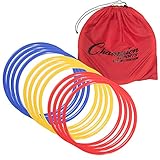
Use agility hoops on the floor for two competitors to navigate by jumping (using pool noodles or rhythm sticks tucked under arms to simulate poles) with a final destination, putting a rhythm in correct order. Have piles of single notes for both contestants to use. Designate students to be the “course crew” to keep the hoops set up nicely between runs.

Which Agility Flat Rings/Hoops should I buy?
Many hoops are WAY too small. The Champion rings are 18″ which is a good size. Palos has great reviews but a bit expensive.

Ski Jump Rap
Similar to Big Fat Biscuit, students are broad jumping to see who can go the furthest. Go in 2s, 3s, or 4s. Rap to the beat and get ready to jump at the end. Winners of each round can compete until you have one winner.
Up the snowy ramp I zoom so fast,
My skis go shiver-shake-BLAST!
I whoosh through the air, arms stretched wide,
I stick the landing—“Did you see that glide?” Ready, set, jump!
Figure Skating-Figure Making
Based on why figure skating got its name, making figures on the ice, let’s make human shapes for our music class game, Figure Making!

How to Play
- Get into 3 groups. (If you need more groups, you can award extra medals)
- Create shapes on 8.5 x 11 paper or in a slide presentation. Great shapes are a circle, square, triangle, heart, X, +, =, and similar.
- Groups will have 60 seconds to make the shape/figure.
- Award the gold, silver, and bronze medals for the best figures.
- You may be standing, sitting, lying down, or any combination of high/middle/low levels to create the figure.
Track Relay
This can be any type of relay, from identifying or playing rhythms, melodies, notes, instrument pictures, etc. Run the events in heats or get everyone going with, e.g., 6 teams of 5 students (for a class of 30). First person on the team runs to a specified point, completes a task (id a note, clap a rhythm, etc.), then runs back so the next person can go
Curling
Tape a giant treble clef to the floor and use a Dollar Tree mop and plastic bowl as your equipment. Teams get points for getting their bowl closest to the “G” curl.

Speed Sports: Skating/Kayak/Bobsled, etc.
Individuals navigate one at a time to a pile of notes or music phrases, bringing them back to their team. When they have them all, they arrange or order them, and first team to complete the task wins. (Treble clef notes could spell a word, rhythms could add up to a number, music phrases to a song that need to be in correct order) The speed sports could be skating (paper plates for skates), kayak (PE scooters), bobsledding (squatting kid in laundry basket with team mate pushing them)
Weight Lifting
The stronger survives! All are sitting in a circle with one student standing behind another. Teacher holds up and object and the first of the two “lifters” to identify it, moves on. If it’s the standing person, they move one person to their right/left. If it’s the sitting person, they exchange with the loser and the winner moves one person to their right/left. I’ve played with instruments and rhythms. Instruments can be as easy as getting a grocery bag and putting in claves, maracas, cowbell, etc. and pulling them out one at a time. You could declare a “winner” if they win 5 or 10 times or they need to make it around the entire circle.
Archery/Target Shooting
Two teams and bean bags. Since the bean bags aren’t going to stick, you’ll need to call it as it hits. Or, position the target on the floor.


This would be easy to hang and comes with the velcro balls. Just add the notes on the rings!
Use it all year!
♦️ An Olympics-Themed Music Concert
- Opening Ceremony-Entrance to Olympic Fanfare-Processional with flags.
- Song from Past Olympics
- National Anthem of Hosting Country
- Composed Song about the Olympics
- Folk Song from Hosting Country
- Song from Past Olympics
- Composed Song about the Olympics
- Closing Ceremony-Recessional with flags to Summon the Heroes
♦️ National Anthems Olympic Music Activities
Since National Anthems play such a huge part in the awards ceremonies, refresh singing your country’s national anthem and
- Learn the national anthem of the host country
- Let your students choose two countries and learn the anthems
- Then extend this into a unit, letting partners research a country’s anthem and present it to the class. Finally, at the end, play a game where you play the anthem and students (individually or in teams) guess the country based on remembering it from the presentations.
- For a creative approach, use the power of AI to create your own national anthem using Suno!
- My prompt was: “Create a stately national anthem with lots of brass instruments for the nation of Musicopolis where there’s creativity, fun, and learning with music.” (use “nation” instead of “country” or your national anthem will have a distinct country genre feel to it.) 😊 Here are the two created examples. Song 1 and Song 2.
♦️ Songs Composed for the Olympics
Let the Games Begin
A cute little song about the games beginning, winning the gold, ready, set, go, and an optional kazoo “fanfare.”
You Are the Light (based on Bugler’s Dream)
A choral take on Bugler’s Dream with that grand feel in the accompaniment and melody line.
MK8 We Go for the Gold
♦️ WINTER Olympics Music Activities
Would You Rather? Winter Olympics Music Activity
♦️ SUMMER Olympics Music Activities
Dressage Movement Activity
Show some video of dressage, highlighting the horse’s movements. These include high steps, locomotion, non-locomotion, sidesteps, walking, cantering with changes of tempo, and length of step. Pathways include straight, curvy, circles. The motions change with the music.
The assignment is to take a pool noodle horse (decorate it if desired) and in groups create a routine to a piece of music. The goal is to change the movement based on the form of the piece. Google pool noodle horse and you’ll find lots of images from simple to elaborate!

A basic pop song would have intro-verse-chorus-verse-chorus-bridge-chorus-outro. Share your routine and the other groups can “judge” you with a 1-10 rating! Kids will love it and you can assess musical form.
♦️ Olympic Decor, Decorations, and Bulletin Boards
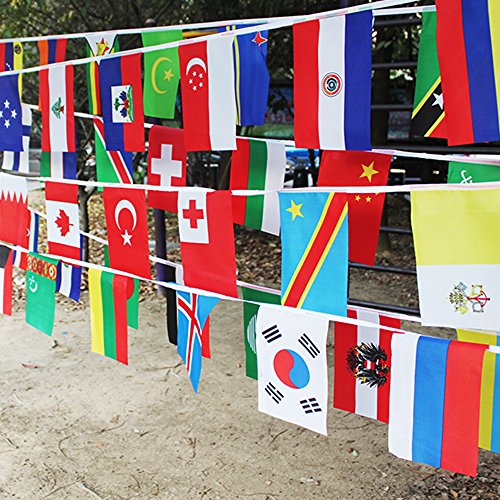
The wall image is in my classroom!
I used it year-round so that when we talked about music from around the world, we could look for the flag! The colors pop and putting it up high beautifully uses space that is too high for many other posters or signs.

As an Amazon Affiliate, I make a small commission at no additional cost to you.

Multi-Purpose!
Use this table cover for Olympics, International Nights, Peace Day events, and more!


The athlete information is free from Bigger Better Brains.
The keyboard margin paper plates are from Amazon and can be used over and over again and in so many other ways.
Easy Star Wars Music Activities | May the 4th Be With You
Originally published April 26, 2024
Latest Update June 15, 2026
Find easy, low-prep Star Wars music activities & lesson plans for celebrating May the 4th, learning about John Williams, or exploring science fiction and a space theme!
Teaching ideas have been added to make the videos (more) interactive!

The Playlist
Continue reading “Easy Star Wars Music Activities | May the 4th Be With You”AAPI Heritage Month Elementary Music Activities
Originally published April 24, 2024
Latest Update July 19, 2026
Celebrate AAPI Heritage Month elementary music activities with a diverse lineup of musicians, folk songs, and interactive games. This post is a “one-stop shop” for busy music educators, featuring everything from Yo-Yo Ma’s classical brilliance to Mista Cookie Jar’s kid-friendly hip-hop.
Use the playlist below to navigate through regional folk songs, plus trivia that will keep your students guessing and engaged all month long. Jump straight to the Arirang Orff Arrangement & Pronunciation Guide.

What is AAPI Heritage Month?
According to Britannica, “Asian American and Pacific Islander (AAPI) Heritage Month is a monthlong commemoration of the history and achievements of Asian Americans, Native Hawaiians, and Pacific Islanders in the United States.”
Let’s celebrate the contributions of Asian American, Native Hawaiian, and Pacific Islander musicians!