Whether you call them elementary music centers, stations, or small group activities, kids just call them FUN! Setting them up can be tricky, so here are my best tips for making music centers successful in your classroom.

This post may contain affiliate links. I make a small commission at no additional cost to you. Read my full disclosure.
Why Learning Centers?
Music learning centers were always a HUGE hit with my students! I think there are a couple of reasons.
They loved the variety of the day but also the variety in the music curriculum. It was a SPECIAL day! I usually set them up about 4 times a year, once every 9 weeks.
Centers offer kids a chance to explore lots of musical objectives and are valuable and engaging learning tools.
Music Learning Center Ideas
Great elementary music centers include a mix of movement, instruments, reading, technology, and creativity so every learner can connect with music in a meaningful way.
Before choosing your activities, think about what skills you want students to practice, such as steady beat, rhythm reading, singing, improvisation, or listening, and build centers that support those goals.
- iPads, Chromebooks, other technology WITH HEADPHONES!
- Puppets
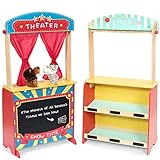
- Puppet stage (it was always a favorite center)
- Movement (scarves, ribbon wands, partner parachutes)
- Yoga-put yoga poses on cards. Take turns drawing a card and holding the pose for a count of 10. Similar idea using dice with cards glued to the 6 sides and rolling to determine the pose.
- Create movement direction cards-up/down, figure 8s, circles, etc and put together in an order. Do each card 8 times using scarves or ribbon wands
- Reading corner or singing book corner. Call it the Zen corner, add bean bag seats and headphones/listening devices for read-alongs. Check out these musical story book videos!
- Instruments-ukulele, keyboards, recorders, pitched percussion, unpitched percussion
- Have rhythm cards to play with quieter unpitched percussion
- Known songs notation to play on pitched instruments
- Coloring activity
- Games & activities-music-related Kaboom, Go Fish, building bricks, game boards, matching games, etc.
- Singing & Vocal Exploration
- Sing the Picture-use vocal exploration cards single or several in a row. Use a watercolor paintbrush to sing the pictures.
- “I Have, You Have” Game-each student gets a Beanie Baby or similar item where there are singular items (for groups of 5-bean bags in green, red, yellow, blue, orange) First person sings (so-mi) Who has red? (whoever has it) I have red? (and put it into the center of the circle) Then they sing the next one, etc. until all bean bags are in the center.
- Nursery rhyme cards to speak, whisper, sing into PVC phones.
Sound-Producing Considerations
When setting up elementary music centers, balancing sound levels is essential. Too many “noisy” options at once can overwhelm both you and your students. Aim for a mix of quiet, low-prep tasks and single-station instrument activities so groups can stay focused. Headphones, soft mallets, and strategic placement help keep the room calm and productive.
Warning: Do NOT have too many activities that create SOUND!
Sound from technology can be eliminated with headphones. Sound from kids talking during coloring, games, or even using puppets isn’t a problem. If I had kids playing instruments, it would only be ONE center at most and even then I tried to have that center located in the hall or if using barred instruments, using felt mallets to keep the sound as quiet as possible.
Or, put the loudest center in the hall (if that’s an option for you) and keep the quietest centers closer to each other.
Resources
High-quality elementary music centers don’t require expensive materials, just the right mix of hands-on tools, books, and manipulatives that support independent learning.
Choosing resources that are durable, low-prep, and versatile helps every center run smoothly year after year. Items like puppets, menu covers, rhythm boards, coloring books, and simple instruments give students meaningful ways to explore rhythm, melody, movement, and creativity.
Magnetic Dry Erase Squares
Use these squares to create a cozy center near a magnetic surface-file cabinet, magnetic whiteboard, metal cart, etc. These Post-It sized squares are perfect for match games or group composing.

Use the size, colors, and magnetic ability to create LOTS of games and activities for elementary music centers!
Hand Puppets and Puppet Stages
I still had a puppet station center set up for my K-2 classes when a 4th grade class came in to music. They BEGGED me to play with it. A few weeks later, 4th grade had learning centers and I included the puppets. I wondered if they’d “play around” or truly “play.” Yep, they created, coordinated, brainstormed stories. It was AWESOME!

Puppet Stage Center Supplies
- Hand puppets (Dollar Tree or take the stuffing out of stuffed animals from Goodwill, etc.)
- Stage (cardboard box for FREE or buy one) Costs range Economical-$99 to Deluxe-$$$$.
- Expectations (puppets, like people, don’t hit each other) 😊
- Objective-put on a show

As an Amazon Affiliate, I make a small commission at no additional cost to you.
Low-Cost, No-Tech Rhythm Board
Make this rhythm board for under $5 to use with-
*Whole-group lessons
*Learning Centers
In music learning centers, the small groups can write a known class song or use it for exploratory or creative rhythm writing.
They LOVE to play Teacher-Student and guide each other through a lesson!

Multi-Page Menu Covers
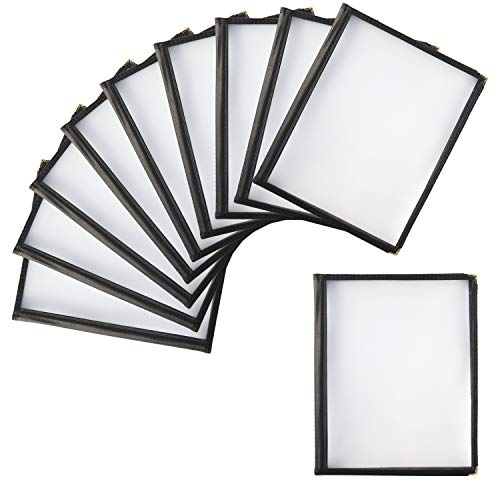
Wow! When you need more than ONE page (2 views w/back-to-back) here are menu covers that are like booklets!
Two options: 2 page (4 views) and 4 page (8 views). Sturdy and use with dry erase markers!

As an Amazon Affiliate, I make a small commission at no additional cost to you.
The Story Orchestra Books

These push-and-play books are great for music learning centers. If you have two to a book and groups of 4, you would only need 2 books. Books include famous ballets (including The Nutcracker) as well as Carnival of the Animals and more.
As an Amazon Affiliate, I make a small commission at no additional cost to you.
TinkerTar 1-String Guitar

For around $25 each, (or less if you get them on sale), a center with 4 TinkerTars would be $100 and a permanent station for K-5.
As an Amazon Affiliate, I make a small commission at no additional cost to you.
Coloring Books
A coloring station is always a popular choice to give kids a stress-free, comfortable activity.
This beautiful coloring book offers inspirational song titles and lyrics to color.


Elementary Music Centers on TPT
My TPT resources can make planning elementary music centers faster and more consistent.
This Songtale-themed music center has FOUR music learning centers AND a PowerPoint/Google Slide to explain the activities! There’s one for primary and one for intermediate.
Songtale With Quarters & Eighths or Sixteenth Notes
The Primary Songtale set targets quarter and eighth-note rhythms, making it perfect for elementary music centers or small-group rotations. Students engage with ready-to-use games, visual directions, and interactive tasks that strengthen rhythm reading, counting, and musical fluency.

The Intermediate Songtale set is ideal for elementary music centers focused on sixteenth-note rhythms. Students work in small groups to explore rhythm patterns, play interactive games, and practice notation skills in a fun, hands-on way. Perfect for reinforcing reading and performing rhythms.
Learning Outcomes
Some activities have very specific directions while others can be exploratory with broader directions. There are times that if you get TOO specific, it doesn’t work because you can’t monitor tiny details with a room full of kids at centers.
🔵 An example of exploratory is using puppets. It is natural for kids to use vocal exploration when using puppets. They just naturally use an affected voice to fit their animal. I didn’t specify too much for this center.
🔵 An example of specific directions could be using building blocks with rhythms on them. I might not specify the number of beats but I would tell them that whatever you build, clap and speak what you have created. Otherwise they build and build and ignore the rhythms altogether! 🤣
The Logistics
Smoothly running elementary music centers rely on thoughtful setup. Using clearly defined spaces, consistent materials, and easy-to-see supplies helps students work independently. Tools like crates, hoops, chairs, or a rolling cart make it simple to create stations without redesigning your whole classroom.
Placement of Music Learning Centers
I used the outer edges of my room. I never found a need to label anything. If you used puppets, the crate of puppets marked the spot. Easy!
Center Equipment to help with logistics could include: crates, hula hoops, chairs, a rolling cart, under a table (cozy reading nook), or even a hallway.
My room was at the end of a hallway so a bit secluded and I was able to use the hallway outside my door for one center. Of course, that meant that I had to stand in a strategic spot to view the room AND the hallway at the same time. I LOVED this arrangement! I could put a noisier or more movement-oriented center out there.
Opening Instructions, Cleaning Up, Moving
My opening instructions included asking kids to look at each center. I’d tell them that before we moved to the NEXT center, each center needed to be straightened up to look just like it looked right then.
When it was time to move, I’d sing, “Now it’s time to clean our space, clean our space, clean our space. Now it’s time to clean our space then stand up straight and tall.” (to Mary Had a Little Lamb) 🤦🏽♀️ Seriously, it works like a charm!
Then I’d start remarking on which groups were finished and standing straight and tall.
Next, I’d ask them to POINT to where they thought they were going next.
Finally, I’d ask them to WALK to their next center.
Oodles Newsletter
If you’d like timely tips delivered to your inbox every Monday morning, get the Oodles Newsletter!

Timing
Timing your elementary music centers just right keeps students engaged and is dependent on the grade level. Short periods, between 5 to 9 minutes, give students enough time to explore without feeling rushed. You can also plan fewer centers or spread them across two class periods to ensure students stay focused and you don’t lose valuable learning time.
| 45 minute class | |
| Beginning Instruction | 5 |
| End of class | 5 |
| Time remaining | 35 |
| 6 centers | 5.5 minutes per center |
| 5 centers | 7 minutes |
| 4 centers | 8.5 minutes |
| 3 centers | 11.5 minutes |
If I had 6 centers, I’d use TWO class periods and do 3 a day. There’s NO WAY I’d be able to do all 6 because it would just be TOO rushed. (see Grouping for an easy way to keep track of groups over a 2-day period)
If I didn’t want to use two class periods, it would be better to have just 3 or 4 centers.
Grouping
Success with elementary music centers often comes down to thoughtful grouping. Aim for 4–5 students per group so everyone has a chance to participate. Choosing group combinations intentionally supports smoother collaboration and reduces behavior issues, especially during multi-day rotations.
I chose who was in each group and chose kids who could work together successfully. Four to a group was ideal for me with no more than 6 groups. For larger classes, some groups would have to go up to 5 students.
If your centers are all in one class period, there’s no need to keep track of who is in a particular group.
If you will spread centers out over two class periods, here are two easy ways to keep track.
DO NOT depend on the kids to remember!!!
Idea #1: Once you’ve sent the groups to their first center, hand a 3 x 5 note card (or similar) and pencil to one student in each group and tell them to write down the names of their group members. When you get the cards back, jot down their starting center. If you have the centers numbered, you’ll know if a group started at #3 then they finished the class at #5 and would begin at #6 the next class period.
Idea #2: Group the kids alphabetically using your class list. You may need to adjust a couple of kids to keep things sane. Then just draw little brackets around who you’ve put together and you can mark their centers.
Activity Theme
If you use a theme, it really drives home a learning objective.
However, it also requires a lot more planning.
I had a SCALE theme one time that worked great but coming up with 6 centers was so time-consuming.
Most of the time I had several
music objectives going on at once.
Pre-Teach vs. Familiar Activities
Pre-teach new activities or use familiar activities. Pre-teaching one or two new activities can make your elementary music centers run much more smoothly. When students have practiced a game or skill beforehand, they can work independently during center time. Rotate in familiar tasks along with new ones to keep students confident, engaged, and successful.
🔵 Have a whole-class lesson where students form small groups and everyone plays the SAME game. Maybe it’s a game/activity with more working parts or needs some demonstration. Then when they encounter it during centers, they know what to do.
🔵 An example of using familiar activities might be making a reading nook from books you’ve already read to the class.
FAQ: Elementary Music Centers
Have questions about setting up or running elementary music centers in your classroom? This FAQ answers the most common concerns, from materials and timing to grouping and behavior management, so your centers run smoothly and your students stay engaged.
How do I set up stations for elementary music centers?
Create 4–6 clear stations with simple directions, enough space to move, and materials students can use independently. Use can use visual signs so students know what to do without waiting for you but I explained each station before we started and did not use signs.
What materials do I need for music centers?
You’ll want hands-on tools like rhythm cards, manipulatives, small instruments, books, task cards, or tech devices. Many teachers keep some of these (like task cards) in organized bins for easy setup.
How long should students spend at each center?
Most teachers use 6–10 minutes per rotation, depending on grade level. Shorter rotations keep energy high and help students stay on task.
How do I manage behavior during center time?
Set clear expectations, demonstrate each task, and use visual timers. A simple point system or “team challenge” can help keep groups focused if you think a class needs it.
What skills do music centers reinforce?
Centers support rhythm reading, melody practice, listening, composition, instrument technique, and creative play. They’re great for reviewing concepts you’ve already taught.
Do music centers work for all grade levels?
Yes! Just adjust the activities. Younger students benefit from movement, sorting, and simple patterns, while older students can handle notation, composition, and instrument work.
Can music centers work with large classes?
Absolutely. It may mean spreading it out over two class periods or facilitating a larger number of groups, while keeping each group number small. e.g. two iPad stations, two rhythm match stations, etc. so instead of creating 10 stations, you just create 5 and double them.
How often should I use music centers?
Many teachers use centers once or twice a grading period. You can use them more or less often depending on your situation. All I know is that when a class entered my room and saw it set up for centers, they started cheering!

Hi there! Thanks for the awesome resources! Quick question,
If you prefer 3-4 stations but have 6 groups of kids, how do they travel to each station? Do you have more than one group at a station or do you make 2 or each station? Thank you!
Samantha, it depends. The choice to increase the size of your groups so that the group number matches the station number almost like two groups at one station, never worked for me. Larger group size was always problematic. I would definitely have 3 stations, make 2 of each, and let them rotate that way. If you laid them out around the room in the order of A1, B1, C1, A2, B2, C2 then no matter where they began in that rotation, they just went to the next one and they’d hit their three. It also would cut down on the distance they needed to travel between stations. HOWEVER, if your classes are 60 minutes, that’s going to be way too long at each station if you only have three. If your class length is long, you either have to have an activity at the beginning or at the end as part of your lesson plans along with the centers OR you need to have 6 rotations. Let me know if you have other questions!